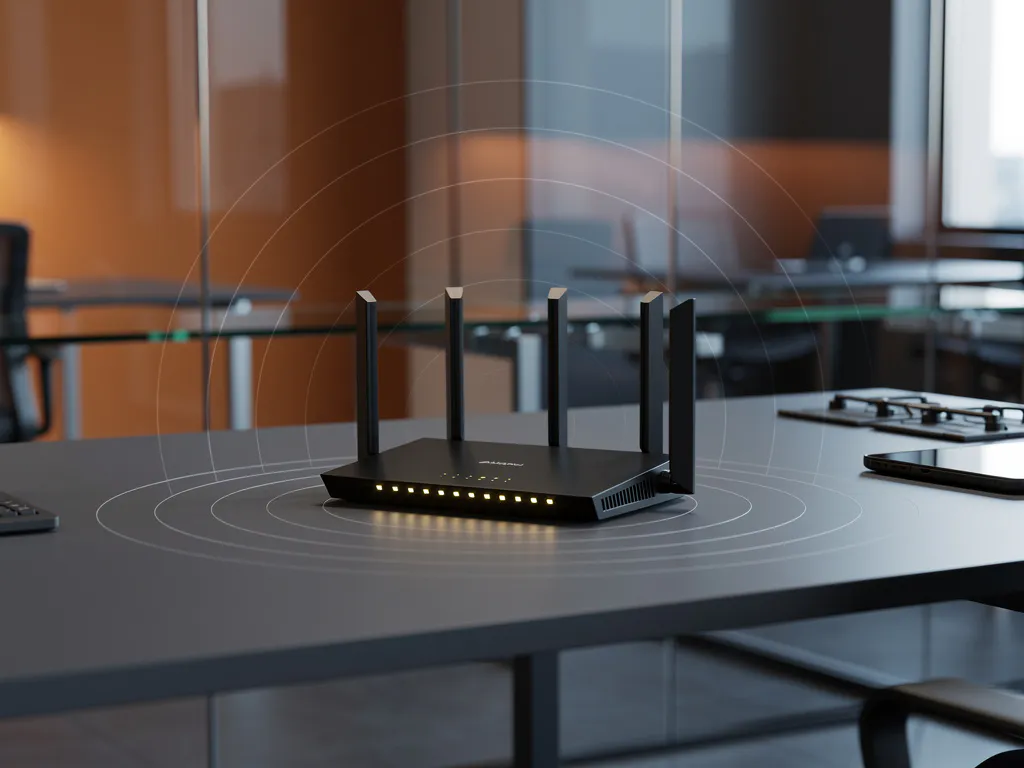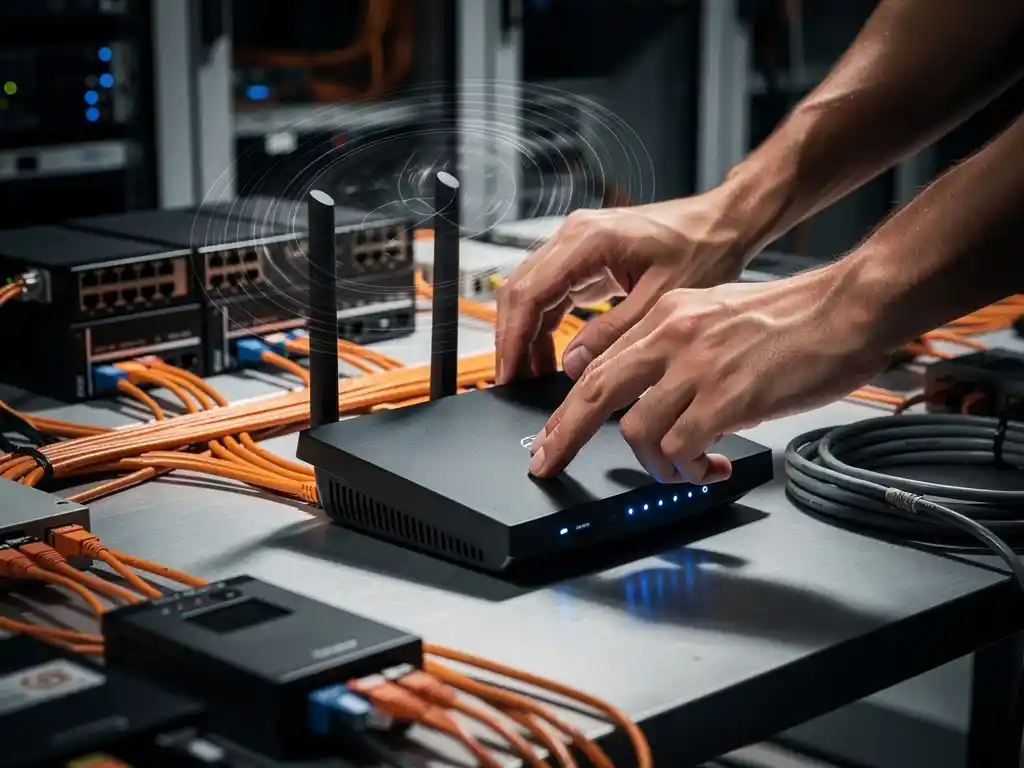
Managing Wi-Fi networks in business environments requires an understanding of the complex regulatory landscape that governs wireless communications. Wi-Fi interference can disrupt critical operations, but regulatory bodies worldwide have established specific limits and guidelines to minimize these disruptions while ensuring fair spectrum use.
These regulations affect everything from the power output of your wireless devices to the types of equipment that can operate near Wi-Fi networks. Understanding these limits helps businesses maintain compliant networks while maximizing performance and minimizing interference issues that could impact productivity.
What Are the Main Regulatory Bodies That Control Wi-Fi Interference?
The primary regulatory bodies controlling Wi-Fi interference include the Federal Communications Commission (FCC) in the United States, the European Telecommunications Standards Institute (ETSI) in Europe, and Innovation, Science and Economic Development Canada (ISED) in Canada. These organizations establish power limits, frequency allocations, and technical standards for Wi-Fi devices operating in the unlicensed ISM bands.
Each regulatory body operates within its jurisdiction but coordinates internationally through the International Telecommunication Union (ITU) to ensure global compatibility. The FCC regulates devices under Part 15 rules, which govern unlicensed radio-frequency devices, including Wi-Fi equipment. ETSI develops harmonized standards across European Union member states, while ISED manages spectrum allocation and device certification in Canada.
These agencies not only set technical standards but also enforce compliance through equipment certification processes. All Wi-Fi devices must receive approval from the relevant regulatory body before being sold or operated commercially. This certification process ensures devices meet power limits, spurious-emission standards, and interference-mitigation requirements.
What Power Limits Apply to Wi-Fi Devices in the ISM Band?
Wi-Fi devices operating in the 2.4 GHz ISM band are typically limited to 1 watt (30 dBm) of transmit power, while 5 GHz devices can transmit up to 1 watt for indoor use and up to 4 watts (36 dBm) for outdoor point-to-point links. These limits vary by specific frequency ranges and intended use cases within each band.
The 2.4 GHz band, used by 802.11b/g/n networks, operates under stricter power limitations due to the higher potential for interference from other ISM devices, such as microwave ovens and Bluetooth equipment. Most consumer Wi-Fi routers operate well below the maximum allowed power, typically between 100 and 200 milliwatts, to balance coverage with reduced interference.
For 5 GHz networks using 802.11a/n/ac/ax standards, power limits are more complex and depend on specific frequency ranges. The U-NII-1 band (5.15–5.25 GHz) restricts indoor devices to 200 milliwatts, while the U-NII-2 and U-NII-3 bands allow higher power levels. Dynamic Frequency Selection (DFS) and Transmit Power Control (TPC) requirements in some 5 GHz ranges help prevent interference with radar systems.
How Do Regulatory Limits Differ Between Indoor and Outdoor Wi-Fi Equipment?
Indoor Wi-Fi equipment faces stricter power limits and antenna restrictions than outdoor equipment, with indoor devices typically limited to lower power outputs and integrated antennas only. Outdoor Wi-Fi equipment can use higher power levels and external antennas but must comply with additional requirements, such as professional installation and coordination databases.
Indoor Wi-Fi devices are designed for confined spaces and must use integrated antennas that cannot be removed or replaced by end users. This restriction prevents users from installing high-gain antennas that could exceed regulatory limits or create interference beyond intended coverage areas. Indoor power limits reflect the assumption that signals will be attenuated by building materials.
Outdoor Wi-Fi equipment operates under different assumptions, as signals can travel much farther without obstruction. These devices often require professional installation, coordination with databases to prevent interference with priority users, and compliance with specific antenna-gain limits. Point-to-point outdoor links may operate at higher power levels but must use highly directional antennas to minimize interference with other users.
What Interference Sources Are Specifically Prohibited Near Wi-Fi Networks?
Intentional jammers and signal blockers are strictly prohibited near Wi-Fi networks, with regulatory bodies imposing severe penalties, including fines of up to €100,000 and criminal prosecution for their use. Additionally, improperly configured industrial, scientific, and medical (ISM) equipment that exceeds emission limits may be subject to enforcement action.
Wi-Fi jammers, regardless of their intended purpose, violate regulations in most countries because they prevent legitimate communications and can interfere with emergency services. Even devices marketed for privacy or security purposes in conference rooms or examination halls are typically illegal to operate without specific authorization.
High-power microwave ovens, industrial heating equipment, and medical diathermy devices operating in ISM bands must meet strict emission standards to prevent Wi-Fi interference. When these devices malfunction or operate outside specifications, they can disrupt Wi-Fi networks across wide areas. Regulatory bodies can require the immediate shutdown of non-compliant equipment and impose penalties on operators.
Amateur radio operators using ISM bands must also follow specific protocols to avoid interfering with Wi-Fi networks, including power limits and coordination requirements in some regions. While amateur radio has primary or co-primary status in some frequency ranges, operators must still minimize interference with other users.
How Are Wi-Fi Interference Violations Detected and Enforced?
Regulatory bodies detect Wi-Fi interference violations through complaint-driven investigations, routine monitoring, and automated spectrum-surveillance systems that can identify non-compliant signals and excessive power levels. Enforcement actions range from warning letters to equipment seizure and financial penalties reaching €50,000 or more for serious violations.
The detection process typically begins with interference complaints from affected users or service providers. Regulatory agencies then deploy field engineers with specialized equipment to locate interference sources through direction-finding techniques and signal analysis. Modern enforcement relies heavily on automated monitoring stations that continuously scan the spectrum for anomalous activity.
When violations are confirmed, enforcement agencies follow escalating response procedures. Initial violations often result in warning letters requiring immediate corrective action. Continued non-compliance can lead to equipment seizure, substantial financial penalties, and, in cases involving intentional interference or jammers, criminal prosecution.
The enforcement process also includes coordination with equipment manufacturers and importers to address widespread compliance issues. Regulatory bodies maintain databases of certified equipment and can take market-surveillance actions to remove non-compliant devices from sale.
How IMPLI-CIT Helps with Wi-Fi Interference Problems
We specialize in identifying and resolving Wi-Fi interference issues that can disrupt your business operations across multiple locations. Our certified field engineers understand regulatory requirements and use professional-grade spectrum analyzers to detect interference sources, ensuring your networks operate in compliance with applicable guidelines while maximizing performance.
Our comprehensive Wi-Fi interference services include:
- Professional spectrum analysis and interference source identification
- Regulatory compliance assessment for multi-site deployments
- Network optimization to minimize the impact of interference
- Emergency response for critical interference issues affecting operations
- Documentation and reporting for regulatory compliance audits
With our global coverage and 24/7 availability, we ensure your Wi-Fi networks maintain optimal performance while staying compliant with local regulations. Don’t let Wi-Fi interference disrupt your business operations. Contact us today to discuss how our expert technicians can resolve your Wi-Fi interference challenges and optimize your wireless infrastructure.
Frequently Asked Questions
What should I do if I suspect my business is experiencing Wi-Fi interference but I'm not sure of the source?
Start by documenting when and where the interference occurs, noting patterns like time of day or specific locations. Use built-in Wi-Fi analyzer tools on smartphones or laptops to identify congested channels, then systematically check for common interference sources like microwave ovens, Bluetooth devices, or neighboring networks. If the problem persists or affects critical operations, contact a professional spectrum analysis service to perform comprehensive interference detection.
Can I legally increase my Wi-Fi router's power output to improve coverage in my office building?
No, you cannot exceed the regulatory power limits set by your local authority (FCC, ETSI, etc.), even if your router's firmware allows it. Doing so violates regulations and can result in significant fines and interference with other users. Instead, improve coverage by optimizing antenna placement, using additional access points, or upgrading to newer Wi-Fi standards that offer better efficiency within legal power limits.
How do I know if my Wi-Fi equipment is properly certified and compliant with current regulations?
Check for regulatory certification marks on your equipment (FCC ID in the US, CE marking in Europe). You can verify these certifications through the regulatory body's online database using the device's ID number. Ensure all equipment is purchased from authorized dealers, as counterfeit devices often lack proper certification and may not meet interference standards.
What's the difference between interference complaints I should handle myself versus those requiring regulatory involvement?
Handle minor issues like channel conflicts with neighboring networks or placement problems internally through network reconfiguration. Contact regulatory authorities for suspected illegal jammers, industrial equipment causing widespread disruption, or situations where the interference source refuses to cooperate. If interference affects emergency communications or critical business operations, regulatory involvement may be necessary even for less severe cases.
Are there specific documentation requirements I should maintain for Wi-Fi interference compliance?
Maintain records of all Wi-Fi equipment certifications, installation documentation showing compliance with power and antenna restrictions, and any interference incident reports with resolution steps taken. Keep spectrum analysis reports if professional assessments were conducted, and document any coordination with regulatory bodies. This documentation is essential for compliance audits and can expedite resolution of future interference issues.
How can I prevent Wi-Fi interference issues when expanding my network to multiple office locations?
Conduct site surveys before installation to identify potential interference sources and optimal equipment placement. Ensure all equipment meets local regulatory requirements for each location, as standards may vary between regions. Implement proper channel planning across sites, use enterprise-grade equipment with better interference mitigation features, and establish monitoring procedures to detect issues early. Consider professional installation for complex multi-site deployments.
What regulatory limits exist for wifi interference sources?