Yes, onsite IT support can absolutely help with hardware installations. Professional onsite technicians handle everything from simple desktop setups to complex data centre equipment, ensuring proper installation, configuration, and testing. They bring technical expertise, safety certifications, and the right tools to complete installations efficiently, reducing downtime and preventing costly setup errors that often occur when untrained staff attempt hardware deployments.
What types of hardware can onsite IT support install?
Onsite IT support technicians work with a comprehensive range of hardware across various business environments. From basic office equipment to sophisticated data centre infrastructure, trained professionals handle installations that require both technical knowledge and physical expertise.
Standard office equipment forms the foundation of most installations. This includes desktop computers, laptops, monitors, printers, scanners, and peripheral devices. Technicians ensure proper cable management, driver installation, and network connectivity for each device. They also handle more complex office setups like multi-monitor workstations, specialised input devices, and audio-visual equipment for conference rooms.
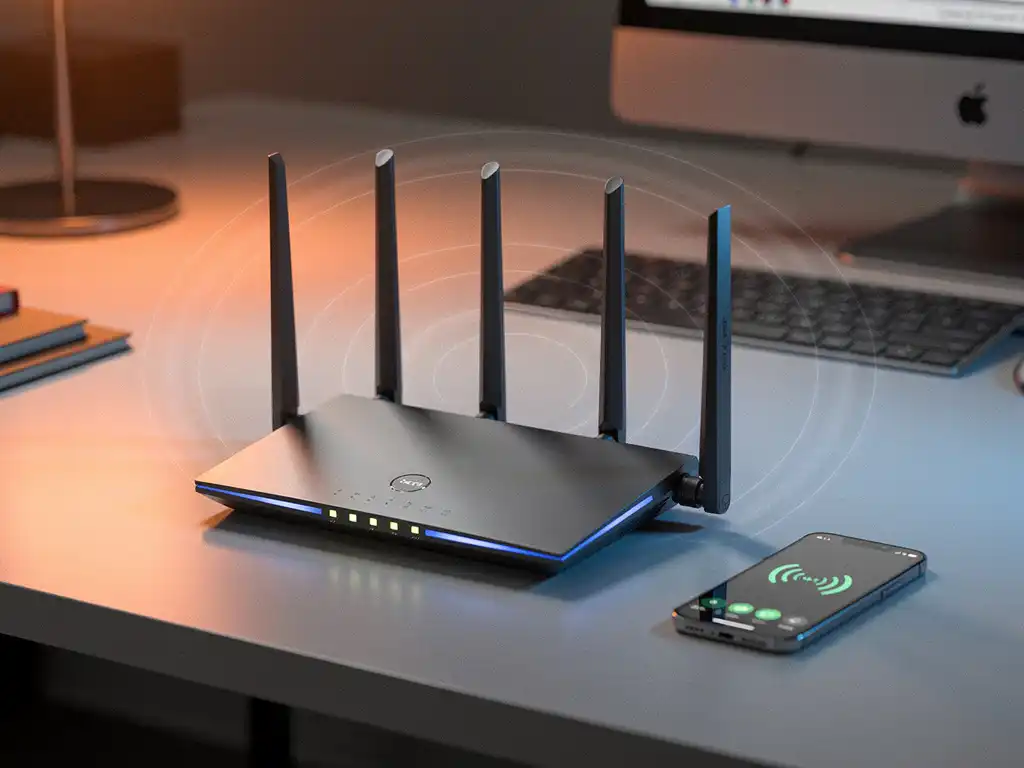
Network infrastructure represents another major category. Professional technicians install routers, switches, firewalls, wireless access points, and network attached storage devices. They understand proper rack mounting procedures, cable routing standards, and the importance of documenting network configurations. For larger deployments, they coordinate patch panel installations, structured cabling systems, and power distribution units.
Data centre installations require the highest level of expertise. Technicians perform rack-and-stack operations for servers, storage arrays, and blade chassis systems. They handle sensitive equipment like uninterruptible power supplies (UPS), cooling systems, and environmental monitoring devices. These installations demand careful attention to weight distribution, airflow management, and redundancy requirements.
Industry-specific hardware also falls within their scope. Retail environments need point-of-sale systems, barcode scanners, and digital signage. Manufacturing facilities require industrial computers, programmable logic controllers, and specialised sensors. Healthcare organisations depend on proper installation of medical workstations, imaging equipment interfaces, and secure access terminals.
How does professional onsite hardware installation work?
Professional hardware installation follows a structured process that ensures successful deployment while minimising disruption to business operations. The approach combines technical expertise with project management skills to deliver consistent results across locations.
The process begins with pre-installation planning. Technicians review equipment specifications, site requirements, and any special considerations. They coordinate with your internal IT team to understand network configurations, security policies, and integration requirements. This phase includes verifying that all necessary components, cables, and tools are available before arriving onsite.
Site assessment comes next. Upon arrival, technicians evaluate the physical environment, checking power availability, network connectivity points, and space constraints. They identify potential challenges like inadequate ventilation, insufficient power circuits, or structural limitations that might affect installation. This assessment helps prevent surprises during the actual installation phase.
During physical installation, technicians follow manufacturer guidelines and industry best practices. They carefully unpack equipment, checking for damage and verifying serial numbers against documentation. Rack-mounted equipment gets properly secured with appropriate mounting hardware. Desktop equipment gets positioned ergonomically with proper cable management. Throughout this phase, technicians document each step, creating valuable records for future maintenance.
Configuration and testing ensure everything works as intended. Technicians apply firmware updates, configure network settings, and integrate devices with existing systems. They run diagnostic tests, verify connectivity, and confirm that all features function properly. For multi-site deployments, they ensure configurations match standardised templates while accommodating local requirements.
The process concludes with comprehensive documentation and knowledge transfer. Technicians create detailed installation reports, update network diagrams, and record configuration settings. They provide basic training to local staff and ensure your IT team has all information needed for ongoing support.
What are the benefits of using onsite IT support for hardware installations?
Professional onsite IT support transforms hardware installations from potential headaches into smooth, predictable processes. The advantages extend beyond just getting equipment up and running, creating lasting value for your organisation.
Reduced downtime stands out as the primary benefit. Experienced technicians complete installations faster and more accurately than general staff. They anticipate common issues, bring the right tools, and know how to troubleshoot problems quickly. What might take internal staff days to figure out, professional technicians handle in hours. This efficiency translates directly to productivity gains and cost savings.
Proper equipment handling protects your investment. Professional technicians understand how to safely transport, unpack, and install sensitive electronics. They know which components require anti-static precautions, how to properly torque mounting screws, and when environmental conditions might affect equipment. This expertise prevents damage that could void warranties or cause premature failures.
Compliance with safety standards protects both people and equipment. Certified technicians follow established procedures for electrical safety, proper lifting techniques, and workspace protection. They understand building codes, fire regulations, and industry-specific requirements. This attention to safety reduces liability risks and ensures installations meet audit requirements.
Consistency across locations becomes achievable with professional support. Whether you’re deploying hardware to five sites or five hundred, experienced technicians follow standardised procedures that ensure uniform results. They use consistent labeling schemes, documentation formats, and configuration templates. This standardisation simplifies future maintenance and troubleshooting.
Your internal IT staff gains valuable time to focus on strategic initiatives rather than routine installations. Instead of traveling to remote sites or walking through installations over the phone, they can concentrate on architecture decisions, security improvements, and innovation projects. Professional installation support essentially extends your team’s capabilities without adding headcount.
When should companies consider onsite IT support for installations?
Recognising when to engage professional onsite support can mean the difference between smooth deployments and costly delays. Several scenarios clearly indicate when external expertise provides the best solution.
Multi-site deployments present obvious challenges. Coordinating installations across multiple locations requires significant planning and resources. Professional technicians bring experience managing logistics, maintaining consistency, and adapting to local conditions. They handle time zone differences, language barriers, and varying site requirements that would overwhelm internal teams.
Time-sensitive projects benefit from professional support’s efficiency and reliability. When you’re facing tight deadlines for store openings, office moves, or system upgrades, experienced technicians ensure installations stay on schedule. They work flexible hours, including nights and weekends, to minimise business disruption.
Lack of local IT presence creates an immediate need for onsite support. Many organisations maintain centralised IT teams but operate locations across countries or continents. Professional technicians act as your local hands, providing the same quality of service you’d expect from your own staff. They become familiar with your standards and procedures, functioning as an extension of your team.
Complex technical requirements often exceed internal capabilities. Specialised equipment like high-density servers, storage area networks, or industrial control systems demand specific expertise. Professional technicians bring experience with diverse hardware platforms and understand integration challenges. They’ve seen common pitfalls and know how to avoid them.
Cost-benefit analysis often favours professional support. Consider the fully loaded cost of sending internal staff to remote locations: travel expenses, time away from primary duties, and potential for multiple trips if issues arise. Professional onsite support eliminates these hidden costs while providing predictable, fixed pricing. The investment pays for itself through reduced downtime, fewer errors, and freed internal resources.
How can IMPLI-CIT help with your hardware installation needs?
When you need reliable hardware installation support, we provide comprehensive solutions that address your specific challenges. Our approach combines technical expertise with operational excellence to ensure your deployments succeed.
We maintain a global network of certified technicians ready to handle installations anywhere you operate. Our technicians are direct employees, not subcontractors, ensuring consistent quality and accountability. They speak multiple languages and hold safety certifications like VCA-VOL, meeting the strictest compliance requirements. This direct employment model means you work with professionals who understand our standards and share our commitment to excellence.
Our 24/7 availability means installations happen on your schedule, not ours. Whether you need overnight deployments to avoid business disruption or weekend installations for retail locations, we accommodate your timing requirements. Our technicians work across time zones, coordinating seamlessly with your global operations.
Multi-site deployments represent one of our core strengths. We’ve developed proven processes for managing complex rollouts across diverse locations. Our project management approach ensures consistent communication, standardised procedures, and detailed documentation throughout the deployment. We integrate smoothly with your existing IT teams, functioning as an extension of your organisation rather than an outside vendor.
Beyond basic installation, we provide value-added services that support your entire hardware lifecycle. Our heated, secure warehouse facilities near Amsterdam Schiphol Airport offer staging and storage for equipment. We can pre-configure devices to your specifications, perform initial testing, and manage logistics for just-in-time delivery. This comprehensive approach reduces complexity and ensures installations proceed smoothly.
To learn more about how our onsite technicians can support your hardware installations, or to explore our complete range of services, reach out to discuss your specific requirements. We’re ready to take on your assignments and ensure you never have to worry about hardware deployment challenges again.
What should I prepare before the onsite technician arrives for hardware installation?
How much does professional onsite hardware installation typically cost compared to doing it in-house?
What happens if hardware fails shortly after professional installation?
Can onsite technicians help with hardware installations in high-security environments?
How far in advance should I book onsite hardware installation support?
What’s the difference between break-fix support and hardware installation services?
Can onsite IT support help with hardware installations?