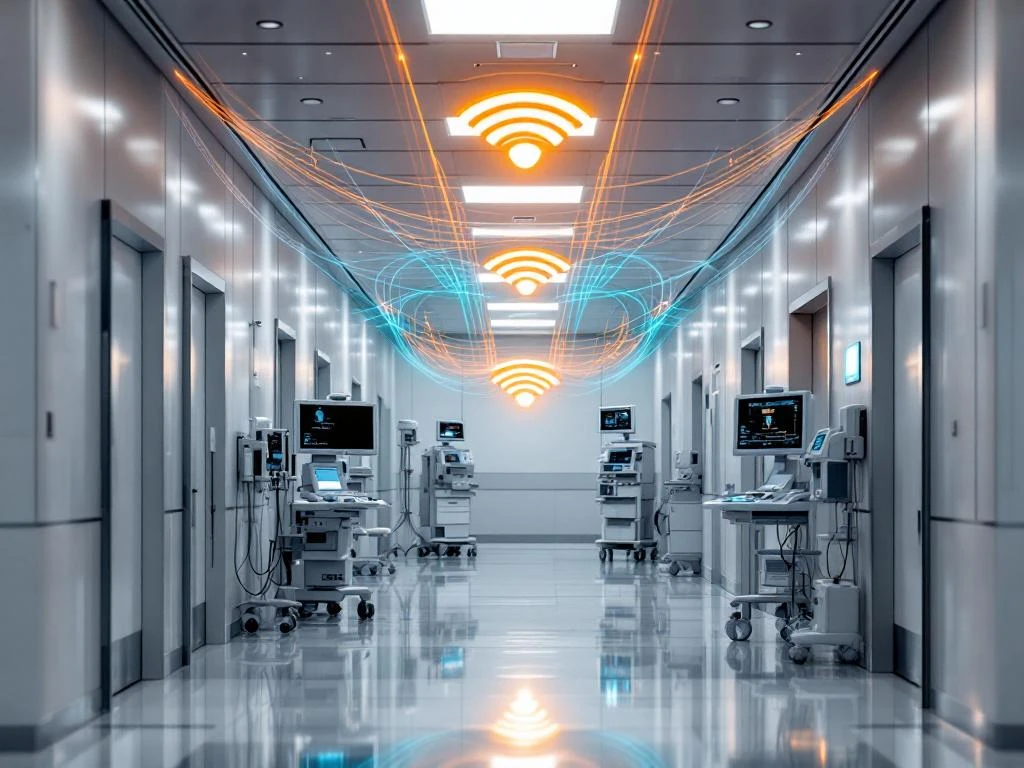
Modern hospitals require robust WiFi networks that meet strict regulatory standards while supporting critical medical operations. Essential requirements include HIPAA-compliant security measures, sufficient bandwidth for medical devices and electronic health records, network segmentation for different user groups, and comprehensive coverage throughout facilities. These networks must balance patient safety, data security, and operational efficiency while supporting everything from life-saving equipment to patient entertainment systems.
What are the essential WiFi standards hospitals must comply with today?
Hospitals must comply with HIPAA security regulations, IEEE 802.11ac or newer wireless standards, and healthcare-specific cybersecurity frameworks. These requirements ensure patient data protection, reliable connectivity for medical devices, and compliance with healthcare industry regulations that govern wireless network infrastructure.
The Health Insurance Portability and Accountability Act (HIPAA) forms the foundation of hospital WiFi compliance. Networks handling protected health information must implement administrative, physical, and technical safeguards. This includes encrypted data transmission, secure access controls, and comprehensive audit logging capabilities.
IEEE 802.11ac Wave 2 or 802.11ax (WiFi 6) standards provide the performance and security features hospitals need. These standards support advanced encryption protocols, higher device density, and improved quality of service controls essential for medical environments. WiFi 6 particularly benefits hospitals through better performance in high-density areas and enhanced power efficiency for battery-operated medical devices.
Healthcare facilities must also consider FDA guidelines for wireless medical devices and Joint Commission requirements for patient safety. These standards influence network design decisions, particularly regarding interference management and redundancy planning.
How much bandwidth do hospitals actually need for daily operations?
Hospitals typically require 10–50 Mbps per access point depending on department function and device density. Critical care units need higher capacity for real-time monitoring systems, while general patient areas require sufficient bandwidth for electronic health records, staff communications, and patient services.
Different hospital departments have varying bandwidth requirements. Operating theatres and intensive care units demand the highest capacity due to real-time patient monitoring, surgical imaging systems, and telemedicine applications. These areas often require dedicated high-speed connections with minimal latency.
Electronic health record systems consume significant bandwidth, particularly during shift changes when multiple staff members access patient data simultaneously. Modern EHR platforms with integrated imaging capabilities can require 5–10 Mbps per concurrent user during peak usage periods.
Medical devices increasingly rely on wireless connectivity for data transmission and remote monitoring. Infusion pumps, patient monitors, and diagnostic equipment create consistent bandwidth demands throughout the facility. Planning should account for future device additions and software updates that may increase data requirements.
Patient and visitor services also impact bandwidth calculations. Guest internet access, patient entertainment systems, and mobile device usage contribute to overall network load. Hospitals should allocate separate bandwidth pools for patient services to prevent interference with critical medical operations.
What security measures are critical for hospital WiFi networks?
Critical security measures include WPA3 encryption, network segmentation, multi-factor authentication, and continuous monitoring systems. These protections safeguard patient data, prevent unauthorized access to medical devices, and maintain compliance with healthcare regulations while supporting daily operations.
Network segmentation creates isolated zones for different types of traffic and users. Medical devices operate on dedicated networks separate from administrative systems and guest access. This isolation prevents potential security breaches from spreading across the entire network infrastructure.
Advanced encryption protocols protect data transmission throughout the wireless network. WPA3 provides enhanced security features specifically designed for enterprise environments. Additionally, certificate-based authentication ensures only authorized devices can connect to sensitive network segments.
Intrusion detection and prevention systems monitor network traffic for suspicious activities. These systems can identify potential threats, unauthorized access attempts, and unusual data patterns that might indicate security breaches. Real-time monitoring enables rapid response to security incidents.
Regular security assessments and penetration testing help identify vulnerabilities before they can be exploited. Hospitals should conduct quarterly security reviews and maintain updated security policies that address evolving threats and new medical technologies.
Why do hospitals need separate networks for medical devices and guest access?
Separate networks prevent security vulnerabilities, ensure medical device reliability, and maintain regulatory compliance. Mixed-use networks create risks where compromised guest devices could potentially access critical medical systems, while dedicated networks provide appropriate security controls and performance guarantees for each user group.
Medical device networks require strict access controls and specialized security protocols. These devices often have limited security capabilities and cannot be easily updated with new security patches. Isolation protects them from potential threats introduced through guest devices or general internet access.
Guest networks serve patients, visitors, and personal devices without compromising hospital operations. These networks typically provide internet access while blocking access to internal hospital systems. Bandwidth limitations and content filtering help manage network resources and maintain appropriate usage policies.
Administrative networks support hospital staff with access to electronic health records, communication systems, and operational applications. These networks require strong authentication and encryption while providing the performance needed for clinical workflows.
Network isolation also simplifies compliance reporting and security auditing. Separate networks allow hospitals to implement different security policies, monitoring procedures, and access controls appropriate for each user group and regulatory requirement.
How can hospitals ensure reliable WiFi coverage throughout their facilities?
Reliable coverage requires professional WiFi site surveys, strategic access point placement, and ongoing network monitoring. Healthcare environments present unique challenges including interference from medical equipment, dense building construction, and high user density that demand specialized planning and deployment expertise.
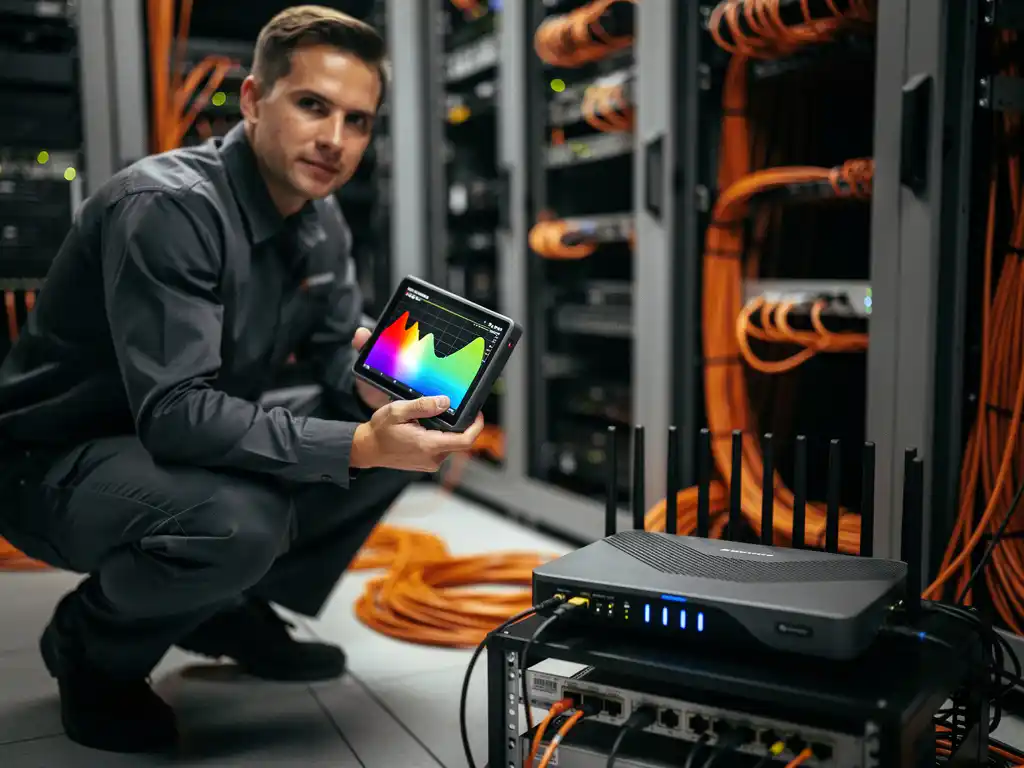
A comprehensive WiFi site survey identifies coverage gaps, interference sources, and optimal access point locations. Professional surveys use specialized equipment to measure signal strength, analyze RF interference, and model coverage patterns throughout the facility. This process ensures adequate signal strength in all areas while minimizing interference between access points.
Healthcare facilities often feature challenging RF environments with thick walls, metal equipment, and electromagnetic interference from medical devices. Access points must be positioned to overcome these obstacles while maintaining consistent coverage. Professional installation teams understand these challenges and can implement solutions that work reliably in medical environments.
Ongoing monitoring and maintenance ensure continued network performance as facilities evolve. New medical equipment, building modifications, and changing usage patterns can affect wireless coverage. Regular WiFi site surveys help identify and address coverage issues before they impact patient care or operational efficiency.
Professional deployment services provide the expertise needed for complex healthcare wireless networks. These services include initial planning, equipment installation, testing, and ongoing support to ensure reliable network performance. For hospitals requiring comprehensive wireless infrastructure support, professional consultation can help develop solutions that meet both current needs and future requirements.
Hospital WiFi networks represent critical infrastructure that must balance regulatory compliance, security requirements, and operational needs. Success depends on understanding the unique challenges of healthcare environments and implementing solutions designed specifically for medical facilities. Professional planning and deployment ensure these networks provide the reliability and security that modern healthcare demands.
Frequently Asked Questions
How often should hospitals conduct WiFi site surveys to maintain optimal coverage?
Hospitals should conduct comprehensive WiFi site surveys annually, with additional assessments when adding new medical equipment, renovating spaces, or experiencing coverage issues. Quarterly spot checks in high-traffic areas help identify emerging problems before they affect patient care.
What happens if medical devices lose WiFi connectivity during critical procedures?
Most critical medical devices have built-in failsafes and local data storage to continue operating during network outages. However, hospitals should implement redundant network paths, backup connectivity options, and clear protocols for staff to follow during network disruptions to ensure patient safety.
Can hospitals use consumer-grade WiFi equipment to reduce costs?
Consumer-grade equipment lacks the security features, reliability, and management capabilities required for healthcare environments. Hospitals need enterprise-grade equipment that supports advanced encryption, network segmentation, and 24/7 operation with minimal downtime.
How do hospitals handle WiFi interference from medical equipment like MRI machines?
Hospitals address interference through careful frequency planning, strategic access point placement away from high-interference areas, and using 5GHz bands when possible. Professional site surveys identify interference sources and help design networks that work around these challenges.
What should hospitals do when upgrading from older WiFi standards to WiFi 6?
Start with a comprehensive network assessment to identify current limitations and future needs. Plan a phased rollout beginning with high-priority areas like ICUs and operating rooms. Ensure all medical devices are compatible with new standards and update security policies accordingly.
How can hospitals monitor network performance to prevent issues before they affect patient care?
Implement network monitoring tools that track bandwidth usage, connection quality, and device performance in real-time. Set up automated alerts for coverage gaps, slow connections, or security threats. Regular performance reports help identify trends and plan for capacity upgrades.
What WiFi requirements do modern hospitals need to meet?