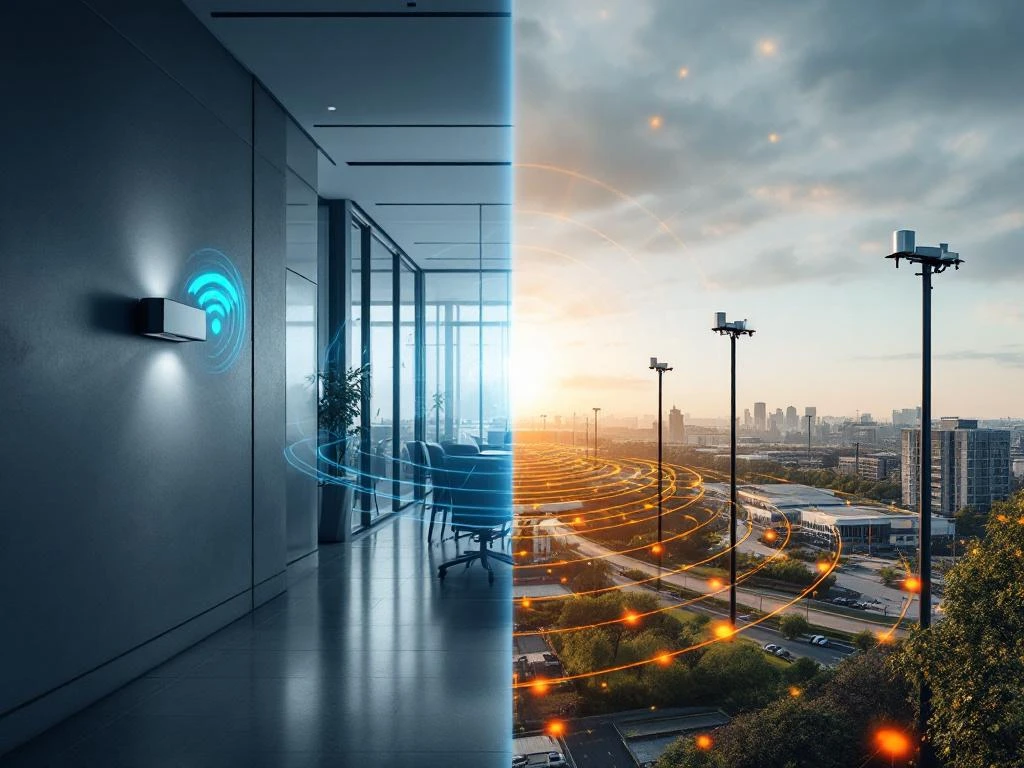
Event venues require WiFi site surveys before large gatherings to ensure their wireless networks can handle hundreds or thousands of simultaneous device connections without failure. A comprehensive assessment identifies coverage gaps, capacity limitations, and interference issues that could disrupt attendee connectivity during critical moments. Without proper evaluation, venues risk network crashes, frustrated guests, and potential revenue loss when wireless infrastructure cannot support event demands.
What exactly is a WiFi site survey and why do venues need one?
A WiFi site survey is a comprehensive technical assessment that evaluates wireless network performance, coverage areas, and capacity limitations within a specific venue space. Professional technicians use specialized equipment to measure signal strength, identify interference sources, and map dead zones throughout the facility.
Event venues specifically require this evaluation because large gatherings create unprecedented demands on wireless infrastructure. Conference attendees, wedding guests, and corporate event participants expect seamless connectivity for live streaming, social media sharing, presentation downloads, and business communications. A single failed connection during a keynote speech or product launch can damage the venue’s reputation and impact future bookings.
The assessment process involves testing current network performance under various load conditions, examining physical obstacles that affect signal propagation, and identifying optimal locations for additional access points. Venues that host different event types benefit from understanding how their space performs with varying attendee densities and usage patterns.
How many devices can overwhelm a venue’s existing WiFi network?
Most venue WiFi networks begin experiencing performance degradation when device density exceeds 50–75 active connections per access point, though this varies significantly based on bandwidth consumption and network configuration. Large events often see 2–3 devices per attendee when accounting for smartphones, tablets, laptops, and wearable technology.
A corporate conference with 500 attendees could generate 1,000–1,500 simultaneous device connections during peak usage periods. Each device typically consumes 1–5 megabits of bandwidth for basic activities, with video streaming and file downloads requiring substantially more capacity. When multiple attendees attempt bandwidth-intensive activities simultaneously, networks designed for normal daily operations quickly become overwhelmed.
The challenge intensifies during specific event moments such as break periods, when attendees simultaneously check emails, download presentation materials, or share content on social platforms. Wedding receptions face similar spikes when guests upload photos and videos during key moments like the ceremony or reception highlights.
Network congestion manifests as slow loading times, failed connections, dropped video calls, and inability to access cloud-based applications. These issues compound rapidly as frustrated users repeatedly attempt to reconnect, creating additional strain on already overloaded infrastructure.
What specific problems occur when venues skip WiFi assessments?
Venues that skip WiFi assessments frequently encounter dead zones where attendees cannot connect, network crashes during peak usage, and inconsistent signal quality that frustrates guests throughout events. These connectivity failures often occur at the worst possible moments, such as during live presentations or when attendees need to access important information.
Dead zones typically develop in areas where venue layout creates signal interference or where existing access points cannot provide adequate coverage. Attendees gathering in these areas experience complete connectivity loss, forcing them to relocate or abandon their wireless needs entirely. This creates crowding in areas with better signal strength and compounds network congestion problems.
Complete network failures during events can halt presentations that rely on internet connectivity, prevent real-time audience interaction, and block access to digital event materials. Corporate events may lose productivity when attendees cannot access cloud applications or participate in virtual components of hybrid meetings.
Revenue impact extends beyond immediate event disruption. Venues that consistently deliver poor connectivity experiences face negative reviews, reduced repeat bookings, and difficulty attracting technology-dependent events. Event planners increasingly prioritize venues with proven wireless reliability, making connectivity a competitive differentiator in the events industry.
How does venue layout affect wireless signal coverage for events?
Venue architecture significantly impacts wireless signal propagation, with building materials, room configuration, and physical obstacles creating coverage gaps and interference patterns that standard WiFi installations cannot overcome. Concrete walls, metal fixtures, and large equipment installations block or reflect wireless signals, creating unpredictable dead zones.
Large open spaces like ballrooms and exhibition halls present unique challenges as signal strength diminishes with distance from access points. High ceilings common in event venues can position wireless equipment too far from user devices, while decorative elements and temporary installations further obstruct signal paths.
Multi-level venues face additional complexity as wireless signals struggle to penetrate floor structures effectively. Mezzanines, balconies, and tiered seating areas often require dedicated access points to ensure consistent coverage across all attendee locations.
Interference sources within venues include kitchen equipment, lighting systems, HVAC infrastructure, and other wireless networks operating on similar frequencies. Professional site surveys identify these interference patterns and recommend access point placement strategies that minimize signal conflicts while maximizing coverage efficiency.
Optimal access point placement considers both current venue configuration and potential setup variations for different event types. Flexible mounting options and strategic cable infrastructure allow venues to adapt their wireless coverage for various room configurations and attendee distributions.
What should venues look for when choosing WiFi site survey services?
Venues should select certified wireless professionals who provide comprehensive assessment reports, detailed coverage maps, and specific recommendations for network improvements based on actual venue usage patterns. Qualified technicians hold industry certifications and use professional-grade testing equipment to deliver accurate evaluations.
Professional site survey services should include heat mapping that visualizes signal strength throughout the venue, capacity testing under simulated load conditions, and interference analysis that identifies potential problem sources. Comprehensive reports provide specific access point placement recommendations, equipment specifications, and estimated costs for recommended improvements.
Look for service providers who understand event venue requirements and can assess performance under various scenarios, including different attendee densities, event types, and seasonal variations. Experience with similar venue types ensures recommendations align with actual operational needs rather than generic networking guidelines.
Quality assessments include follow-up testing after implementation to verify that recommended improvements achieve desired performance levels. Ongoing support and periodic reassessment help venues maintain optimal wireless performance as technology evolves and usage patterns change.
When selecting professional services, venues benefit from working with providers who offer transparent communication, detailed documentation, and practical implementation guidance. The right technical partner becomes an extension of your venue operations team, ensuring wireless infrastructure supports rather than hinders event success. For venues ready to ensure reliable connectivity for their next major gathering, professional wireless assessment services provide the expertise needed to deliver exceptional attendee experiences.
Frequently Asked Questions
How long does a typical WiFi site survey take for an event venue?
A comprehensive WiFi site survey typically takes 4-8 hours for most event venues, depending on the facility size and complexity. Larger venues with multiple floors or complex layouts may require 1-2 days for thorough assessment. The process includes on-site testing, data analysis, and report generation, with final recommendations usually delivered within 3-5 business days.
Can we conduct our own WiFi assessment instead of hiring professionals?
While basic WiFi testing apps exist, professional site surveys require specialized equipment costing thousands of dollars and expertise to interpret complex RF data accurately. DIY assessments often miss critical interference sources, capacity limitations, and coverage gaps that become apparent only under actual event load conditions. Professional surveys provide legally defensible documentation and specific technical recommendations that venue staff typically cannot generate independently.
What's the difference between predictive and active WiFi site surveys?
Predictive surveys use software modeling based on venue blueprints to estimate coverage patterns, while active surveys involve physical testing with real equipment in the actual space. Event venues should prioritize active surveys because they reveal actual interference sources, building material impacts, and real-world performance that predictive models cannot accurately capture. Active surveys provide the most reliable data for venues hosting large gatherings.
How often should event venues repeat WiFi site surveys?
Venues should conduct new site surveys every 2-3 years or after significant structural changes, major equipment installations, or consistent connectivity complaints from event attendees. Technology upgrades, new interference sources, or changes in typical event sizes may also warrant reassessment. Venues hosting frequent large events benefit from annual reviews to ensure optimal performance.
What happens if we discover our current WiFi infrastructure is completely inadequate?
If surveys reveal major infrastructure deficiencies, venues typically need phased upgrade approaches to minimize operational disruption. Priority improvements focus on high-traffic areas and critical event spaces first, with complete overhauls scheduled during slower booking periods. Professional assessments include budget-conscious recommendations and temporary solutions to maintain service during major upgrades.
Do WiFi site surveys account for outdoor event spaces and covered areas?
Professional site surveys can assess outdoor venues, covered pavilions, and mixed indoor-outdoor event spaces, though environmental factors create additional complexity. Weather conditions, seasonal foliage changes, and temporary structures affect outdoor wireless performance significantly. Outdoor assessments require specialized equipment ratings and may recommend weather-resistant access points with different coverage patterns than indoor installations.
What should we do immediately if our venue experiences WiFi failure during a live event?
During active events, immediately contact your IT support team or wireless service provider for emergency assistance while implementing backup connectivity options like mobile hotspots for critical functions. Document the failure details, affected areas, and attendee impact for post-event analysis. Consider having emergency backup internet connections and portable access points available for future events while planning comprehensive infrastructure improvements.
Why do event venues need WiFi site surveys before large gatherings?