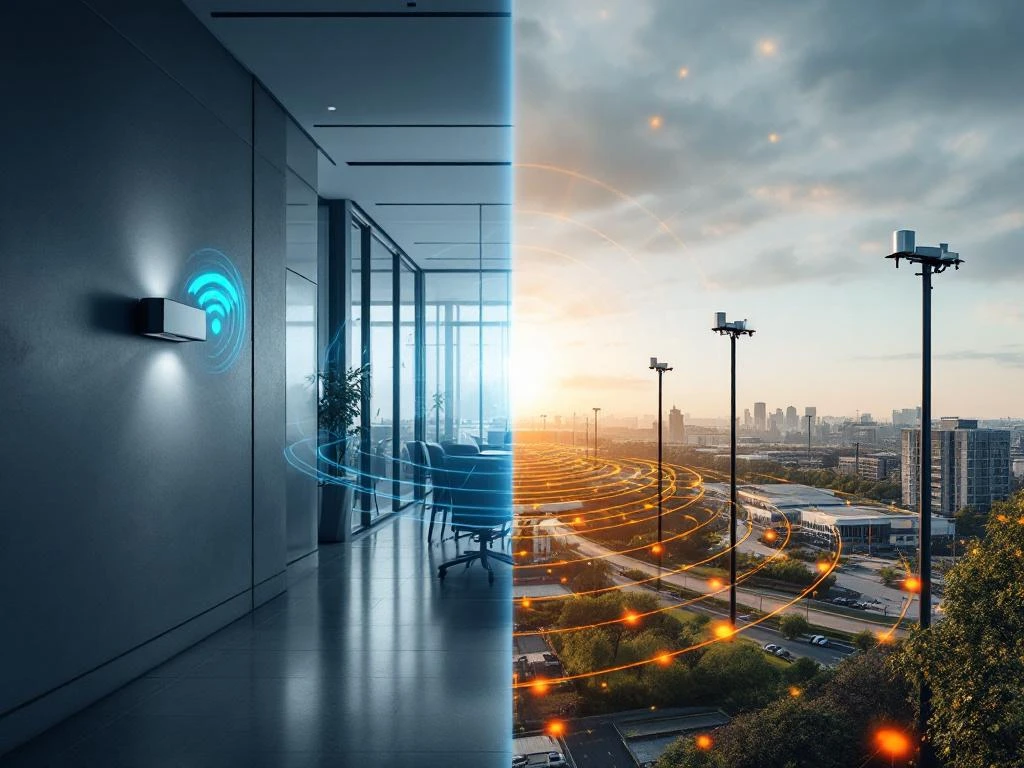
Outdoor WiFi coverage requires significantly different considerations from indoor installations, primarily due to environmental factors, power requirements, and signal propagation challenges. Unlike controlled indoor environments, outdoor networks must withstand weather conditions, cover larger distances, and comply with different regulatory standards. Understanding these differences is crucial for successful wireless network deployment.
What are the main environmental challenges that affect outdoor WiFi coverage?
Outdoor WiFi equipment faces harsh environmental conditions that indoor installations never encounter. Weather resistance becomes the primary concern, as equipment must withstand rain, snow, extreme temperatures, and UV exposure while maintaining consistent performance.
Temperature fluctuations present ongoing challenges for outdoor wireless equipment. Components must operate reliably in temperature ranges from -40°C to +60°C, far exceeding typical indoor requirements. This extreme range affects battery life, component longevity, and signal stability. Equipment housing requires proper ventilation to prevent overheating while maintaining weatherproof seals.
Moisture protection extends beyond simple rain resistance. Outdoor equipment must handle humidity, condensation, fog, and potential flooding. IP65 or IP67 ratings become essential rather than optional, ensuring complete protection against dust ingress and water penetration. Proper drainage systems and moisture-resistant cable connections prevent long-term damage.
UV exposure gradually degrades plastic housings, cable jackets, and mounting hardware. Equipment specifications must include UV-resistant materials and protective coatings to maintain structural integrity over years of sun exposure. Physical security concerns also increase outdoors, requiring tamper-resistant enclosures and secure mounting systems to prevent theft or vandalism.
How do signal range and power requirements differ between outdoor and indoor WiFi?
Outdoor WiFi networks typically require higher transmission power and different antenna configurations to achieve adequate coverage. Signal propagation in open spaces follows different patterns than in enclosed indoor environments, allowing for greater range but introducing new interference challenges.
Transmission power differences are substantial between indoor and outdoor deployments. Indoor access points typically operate at 100–200 milliwatts, while outdoor equipment often requires 500–1000 milliwatts or more to cover large areas effectively. However, regulatory compliance varies by country, with strict limits on effective radiated power (ERP) that must be carefully observed.
Signal propagation in open outdoor spaces benefits from fewer physical obstructions but faces different challenges. Weather conditions such as rain, fog, and atmospheric pressure changes can significantly impact signal quality. The 2.4GHz band experiences less weather-related attenuation than 5GHz, making frequency selection more critical for outdoor deployments.
Antenna considerations become more complex outdoors. Directional antennas often replace omnidirectional indoor antennas to focus coverage areas and reduce interference. Antenna gain, radiation patterns, and mounting height require careful calculation to achieve optimal coverage while maintaining regulatory compliance. Professional antenna selection and positioning directly impact network performance and reliability.
What equipment specifications are essential for outdoor WiFi installations?
Outdoor WiFi installations require specialised equipment with enhanced protection ratings and robust construction. IP-rated enclosures form the foundation of reliable outdoor wireless networks, protecting sensitive electronics from environmental damage while maintaining optimal operating conditions.
Weatherproof access points must meet minimum IP65 ratings, with IP67 preferred for harsh environments. These ratings ensure complete dust protection and water resistance against jets or temporary immersion. Internal components require conformal coating to prevent corrosion from humidity and temperature cycling.
Mounting hardware specifications exceed indoor requirements significantly. Stainless steel or galvanised steel construction prevents rust and corrosion. Wind load calculations determine appropriate mounting strength, particularly for elevated installations. Adjustable mounting brackets allow for precise antenna positioning and future maintenance access.
Power over Ethernet (PoE) considerations become more complex outdoors. Longer cable runs may require PoE+ or high-power PoE to compensate for voltage drop. Lightning protection and surge suppression become essential components, protecting equipment from electrical damage. Proper grounding systems and cable shielding prevent interference and safety hazards.
Specialised outdoor networking equipment includes weatherproof switches, surge protectors, and backup power systems. Uninterruptible power supplies (UPS) sized for outdoor temperature ranges ensure network continuity during power outages. Remote monitoring capabilities allow proactive maintenance and troubleshooting without site visits.
Why do outdoor WiFi networks require different planning and site survey approaches?
Outdoor WiFi planning involves complex coverage area mapping and interference analysis that indoor deployments rarely require. Professional site surveys become essential for identifying optimal equipment placement, potential interference sources, and regulatory compliance requirements before installation begins.
Coverage area mapping for outdoor networks considers three-dimensional space rather than floor-by-floor planning. Topography, vegetation, and seasonal changes affect signal propagation patterns. Professional surveyors use specialised software to model RF coverage, accounting for Fresnel zone clearance and the earth’s curvature over longer distances.
Interference analysis becomes more challenging outdoors due to numerous potential sources. Other wireless networks, radar systems, microwave links, and industrial equipment can impact performance. Spectrum analysers identify existing interference sources, while predictive modelling anticipates future conflicts as surrounding areas develop.
Line-of-sight considerations dominate outdoor wireless planning. Physical obstructions such as buildings, trees, and terrain features create coverage shadows and reflection points. Seasonal vegetation changes can significantly impact year-round performance, requiring careful antenna positioning and power planning.
Professional assessment needs extend beyond technical requirements to include regulatory compliance, safety considerations, and maintenance planning. Local planning permission may be required for tower installations or building-mounted equipment. Our comprehensive WiFi site survey services ensure optimal network performance through expert analysis and planning. For professional consultation on your outdoor WiFi deployment requirements, contact our experienced team for tailored solutions that address your specific coverage and performance needs.
Frequently Asked Questions
What's the most cost-effective way to get started with outdoor WiFi for a small business?
Start with a single high-quality outdoor access point with IP65+ rating and assess coverage before expanding. Consider using existing building-mounted locations to avoid costly tower installations, and ensure your chosen equipment supports both 2.4GHz and 5GHz bands for flexibility. Budget for professional installation and proper grounding to avoid costly repairs later.
How often should outdoor WiFi equipment be inspected and maintained?
Conduct visual inspections quarterly and comprehensive maintenance annually, with additional checks after severe weather events. Focus on cable connections, mounting hardware tightness, and enclosure seal integrity. Replace desiccant packs annually and clean antenna surfaces to maintain optimal performance. Document all maintenance activities for warranty and compliance purposes.
Can I use indoor WiFi equipment outdoors if I put it in a weatherproof enclosure?
This approach is not recommended and often violates warranty terms. Indoor equipment lacks the temperature tolerance, humidity resistance, and component durability required for outdoor conditions. Even with external protection, internal condensation and thermal cycling will cause premature failure. Invest in purpose-built outdoor equipment for reliable long-term operation.
What are the legal requirements for outdoor WiFi installations in terms of power limits and licensing?
Power limits vary by country and frequency band, with most regions allowing higher power for outdoor use but requiring compliance with effective radiated power (ERP) limits. In many areas, unlicensed bands (2.4GHz/5GHz) don't require special licensing, but installation height and antenna gain restrictions may apply. Always consult local telecommunications authorities before installation to ensure compliance.
How do I troubleshoot poor performance in an existing outdoor WiFi network?
Start with spectrum analysis to identify interference sources, then check physical connections and cable integrity. Verify antenna alignment and mounting stability, as wind and thermal expansion can shift positioning over time. Use network monitoring tools to identify patterns in performance degradation, and consider seasonal factors like foliage growth that may have developed since installation.
What backup power options work best for outdoor WiFi installations?
Solar power systems with battery backup work well for remote locations, while UPS systems suit installations with reliable grid power. Size batteries for your local climate extremes, as cold weather significantly reduces capacity. Consider PoE-powered equipment to centralise power management, and include surge protection in all power systems to prevent lightning damage.
How do I calculate the total cost of ownership for an outdoor WiFi deployment?
Factor in equipment costs, professional installation, ongoing maintenance, power consumption, and replacement schedules typically every 5-7 years for outdoor equipment. Include costs for permits, site surveys, and potential infrastructure like towers or trenching for cables. Budget 15-20% annually of initial equipment cost for maintenance and eventual upgrades to account for technology evolution.
How does outdoor WiFi coverage differ from indoor requirements?