


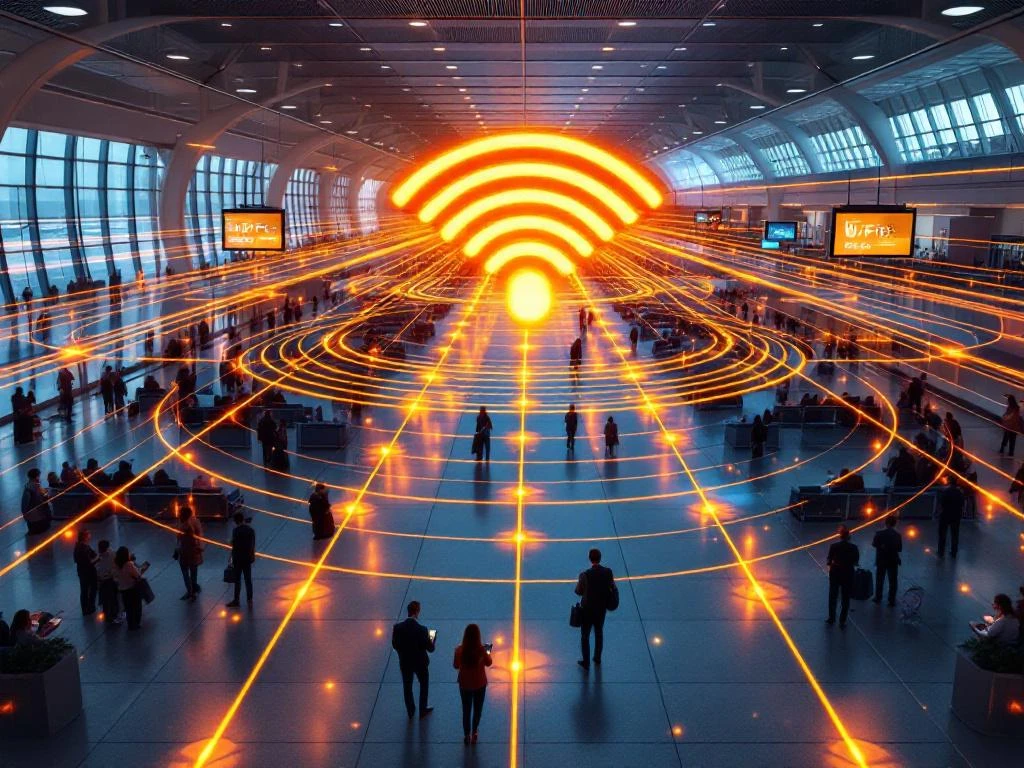
Airports maintain consistent WiFi coverage through strategic network design, robust infrastructure, and advanced capacity management systems. The massive scale of terminals, high user density, and complex technical requirements make airport WiFi one of the most challenging networking environments. Success requires careful planning of access point placement, redundant systems, and real-time performance monitoring to ensure seamless connectivity across all terminal areas.
What makes airport WiFi coverage so challenging compared to other venues?
Airport WiFi faces unique challenges, including massive terminal spaces spanning multiple levels, extremely high user density during peak periods, diverse device types with varying connection requirements, and potential interference from aircraft systems and radar equipment. Security requirements add complexity, as networks must balance accessibility with robust protection protocols.
The sheer scale of modern airports creates coverage challenges that dwarf typical commercial venues. Terminal buildings can stretch for kilometres, with multiple concourses, gates, and levels that require seamless connectivity. Unlike hotels or shopping centres with predictable usage patterns, airports experience dramatic fluctuations in user density as flights arrive and depart simultaneously.
Interference presents another significant challenge. Aircraft communication systems, ground radar, and various airport operational equipment can create radio frequency conflicts that disrupt WiFi signals. The high-ceiling architecture typical of terminals also creates unique propagation challenges, requiring careful consideration of signal reflection and coverage gaps.
Security requirements further complicate network design. Airports must implement stringent access controls whilst maintaining user-friendly connectivity. The transient nature of airport users means authentication systems must be simple yet secure, often requiring integration with multiple airline and airport systems.
How do airports design wireless networks to cover such vast areas?
Airport wireless networks use strategic access point placement with overlapping coverage zones, comprehensive signal mapping, and coordinated capacity distribution across terminals. Network architects create detailed coverage plans that account for terminal layout, passenger flow patterns, and potential interference sources to ensure seamless connectivity throughout all areas.
Coverage mapping begins with detailed site surveys that identify optimal access point locations. Engineers conduct comprehensive WiFi site survey assessments to understand signal propagation patterns, identify potential dead zones, and plan for adequate signal overlap between access points. This systematic approach ensures no area lacks coverage whilst preventing interference between adjacent access points.
Access point placement follows a strategic grid pattern adapted to terminal architecture. High-density areas such as departure lounges and gate seating require closer spacing and higher-capacity equipment. Concourses and walkways need carefully planned coverage to maintain connectivity as passengers move between areas.
Network segmentation plays a crucial role in managing such large-scale deployments. Different terminal zones often operate as separate network segments with coordinated handoff protocols. This approach allows for targeted capacity allocation and simplified troubleshooting whilst maintaining a seamless user experience across the entire airport.
What infrastructure requirements are essential for reliable airport WiFi?
Essential infrastructure includes high-capacity fibre backbone networks, redundant power distribution systems, specialised mounting solutions for harsh airport environments, and integration with existing building management systems. The infrastructure must support massive bandwidth demands whilst maintaining reliability in challenging physical conditions.
Fibre backbone networks form the foundation of airport WiFi systems. These high-capacity connections link access points throughout the terminal to central network equipment and internet connections. Redundant fibre paths ensure network availability even if individual connections fail, which is critical in mission-critical airport environments.
Power distribution requires careful planning to support hundreds of access points across vast terminal spaces. Uninterruptible power supplies protect against outages, whilst power over Ethernet systems simplify installation by delivering both power and data through single cables. Environmental considerations include protection from temperature extremes, humidity, and potential chemical exposure from cleaning operations.
Equipment mounting solutions must withstand airport operational demands. Access points require secure mounting that resists vibration from aircraft operations and heavy passenger traffic. Cable management systems protect network connections from damage whilst allowing for future expansion and maintenance access.
How do airports manage WiFi performance during peak travel periods?
Airports manage peak performance through dynamic load balancing, intelligent bandwidth allocation, quality of service prioritisation, and real-time monitoring systems. Advanced network management automatically adjusts capacity distribution based on passenger volumes and usage patterns, ensuring consistent performance even during busy travel periods.
Load balancing systems automatically distribute users across available access points to prevent any single point from becoming overwhelmed. Smart algorithms consider signal strength, current user load, and available bandwidth when directing new connections. This dynamic approach maintains optimal performance as passenger numbers fluctuate throughout the day.
Bandwidth allocation strategies prioritise essential services whilst ensuring fair access for all users. Critical airport operations receive guaranteed bandwidth, whilst passenger services share remaining capacity through intelligent traffic management. Quality of service protocols ensure time-sensitive applications such as video calls receive priority over less critical data transfers.
Real-time monitoring systems track network performance across all terminal areas, identifying potential issues before they impact users. These systems generate alerts when capacity approaches limits or when performance degrades in specific zones. Professional IT support services provide rapid response capabilities to address technical issues and maintain optimal performance during high-demand periods. For airports requiring comprehensive network management solutions, experienced technical support teams can provide the specialised expertise needed to maintain consistent WiFi performance across complex terminal environments.
Successful airport WiFi requires careful integration of network design, robust infrastructure, and proactive performance management. The combination of strategic planning, quality equipment, and professional support ensures passengers enjoy reliable connectivity throughout their airport experience, regardless of terminal size or passenger volume.
Frequently Asked Questions
How long does it typically take to implement a complete airport WiFi system from planning to deployment?
A comprehensive airport WiFi implementation typically takes 6-18 months depending on terminal size and complexity. The process includes 2-3 months for site surveys and network design, 3-6 months for infrastructure installation, and 1-3 months for testing and optimisation. Large international airports may require longer timelines due to operational constraints and security requirements.
What are the most common mistakes airports make when upgrading their WiFi systems?
Common mistakes include underestimating capacity requirements during peak periods, insufficient planning for future growth, and inadequate integration with existing airport systems. Many airports also fail to account for the unique RF environment created by aircraft and ground equipment, leading to interference issues that could have been prevented with proper site surveys.
How do airports handle WiFi security without compromising user experience for international travellers?
Modern airports use captive portal systems with multiple authentication options including social media login, email verification, and SMS-based access codes. Many implement time-limited sessions with automatic renewal and guest network segregation to protect critical airport systems whilst providing seamless access for passengers from different countries with varying device configurations.
What backup systems are in place if the main WiFi network fails during a major travel disruption?
Airports typically deploy redundant network paths with automatic failover capabilities, backup internet connections from multiple service providers, and emergency communication systems. Many also maintain portable access points that can be rapidly deployed to critical areas, ensuring passengers retain connectivity during extended delays or system maintenance.
How do airports measure and maintain WiFi performance standards across different terminal areas?
Airports use continuous monitoring systems that track key metrics including connection success rates, bandwidth utilisation, and user experience scores across all coverage zones. Performance benchmarks typically include minimum download speeds of 10-25 Mbps per user and connection establishment within 30 seconds, with regular testing using both automated tools and manual assessments.
Can airport WiFi systems integrate with airline apps and services for enhanced passenger experience?
Yes, modern airport WiFi systems can integrate with airline APIs to provide personalised services such as automatic flight updates, gate change notifications, and boarding reminders. Some airports offer premium WiFi tiers that unlock additional features like priority bandwidth for business travellers or integration with airline loyalty programmes for seamless access.
What ongoing maintenance and support requirements should airports budget for after WiFi installation?
Airports should budget for 24/7 network monitoring services, regular equipment updates and replacements (typically 15-20% of hardware annually), quarterly performance optimisation, and dedicated technical support teams. Annual costs typically range from 10-15% of initial installation costs, with additional provisions for emergency repairs and capacity expansion as passenger volumes grow.